
Clearing herbicide
Project 04 · 2026 · Synthetic biology
A synthetic-biology tool for North China’s soybean–wheat rotation. Engineered E. coli degrades persistent chlorimuron-ethyl, secretes IAA to restore roots and soil, and shuts itself down in the cold — then ships as lyophilized powder for the 7–10 days between harvest and sowing.
How might we remediate chlorimuron-ethyl residues in soybean–wheat rotation while restoring soil fertility and keeping the field safe?
Global food security is increasingly challenged by climate change, land degradation, and pesticide pollution. In North China, the soybean–wheat rotation improves resource use, soil fertility, and yield. The widely used herbicide chlorimuron-ethyl is recalcitrant: it persists in soil, threatens wheat germination in the following season, and harms the ecosystem. Phytoremediation, microbial degradation, and chemical fixes are often inefficient, expensive, or hard to apply.
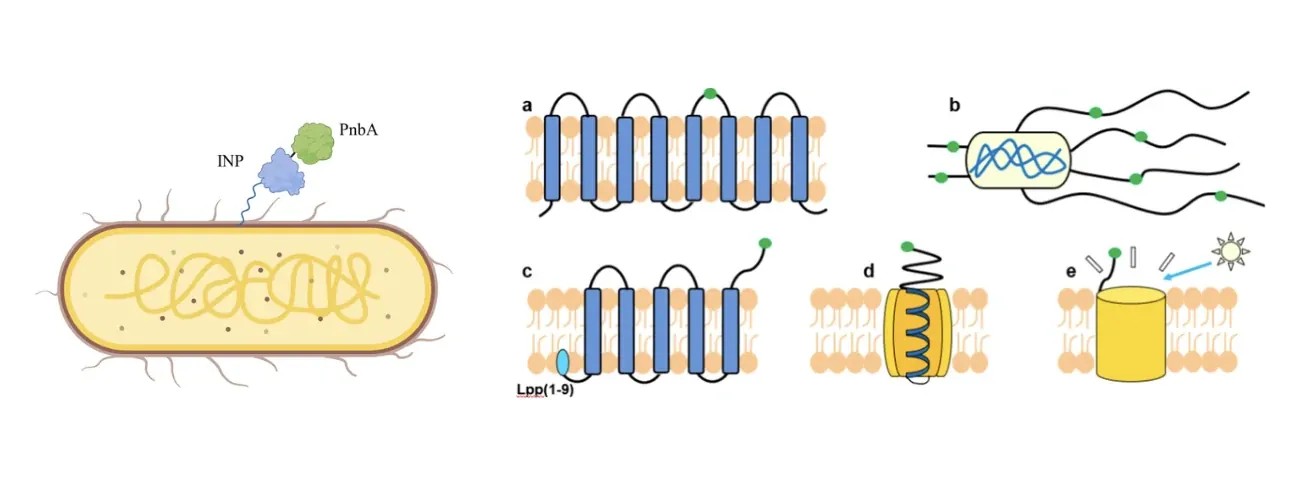
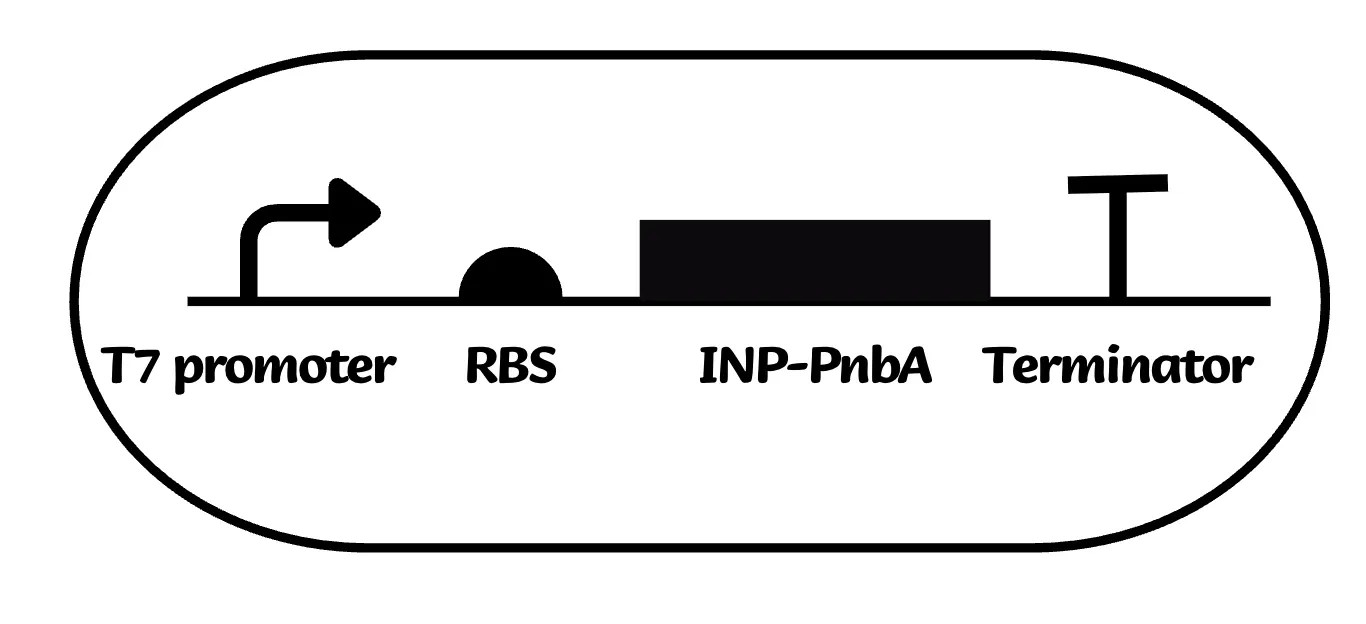
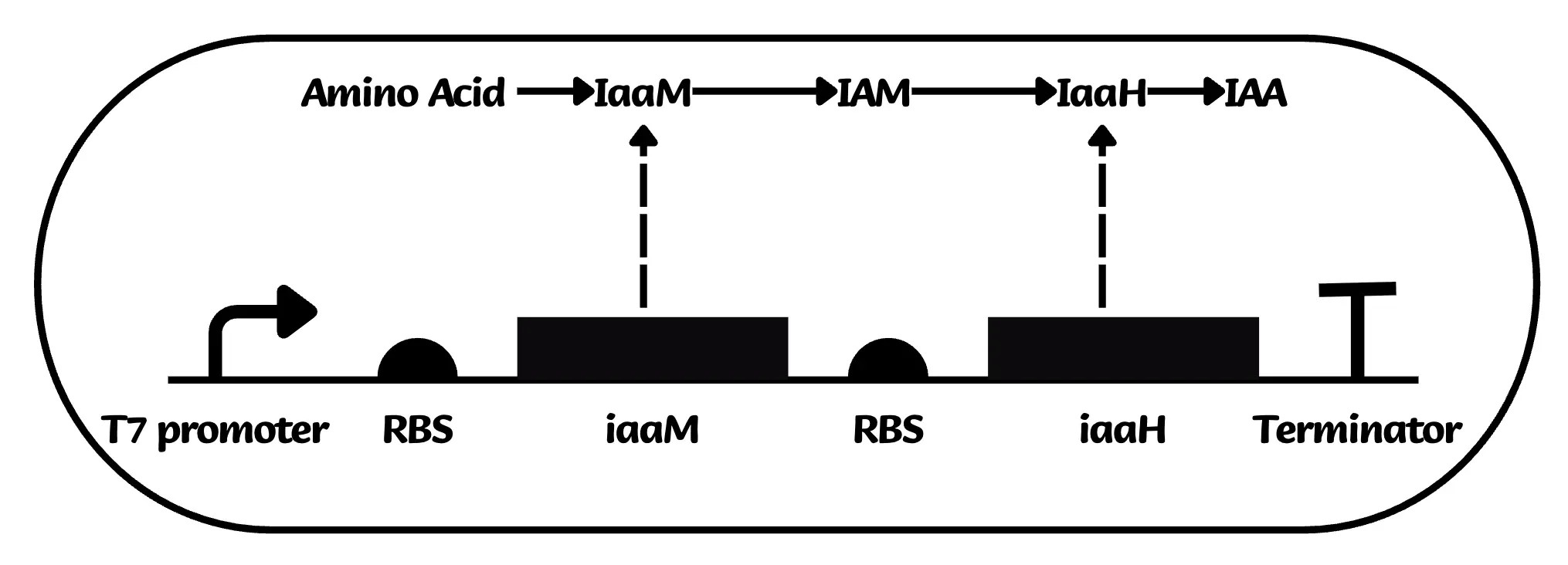
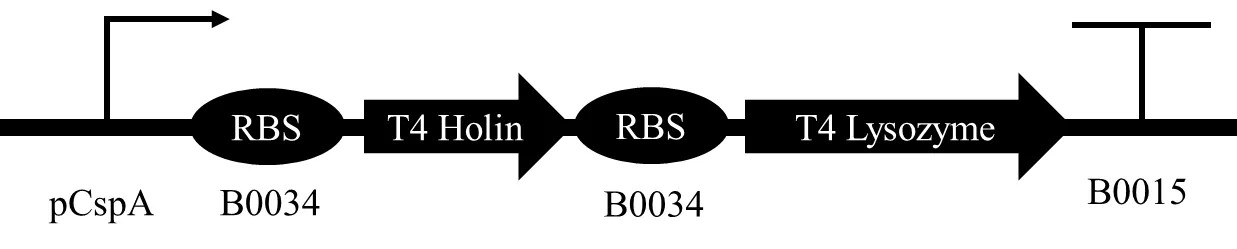
We built an engineered E. coli strain. Carboxylesterase PnbA is displayed on the cell surface through ice nucleation protein (INP) so the cells degrade chlorimuron-ethyl without enzyme purification. A tryptophan–IAM pathway biosynthesizes indole-3-acetic acid (IAA) to promote roots and restore fertility. A CspA cold-inducible promoter drives a T4 lysis system so the strain can be shut down in the field. The product is lyophilized powder: rehydrate and spray 7–10 days between soybean harvest and wheat sowing.
While scrolling on Douyin, the team saw that many regions still face a food crisis. Climate change, pollution, and water scarcity limit production. Waste and unequal distribution make the gap worse. Demand keeps rising as the population grows; current farming has not caught up.

A WHO report from 28 July 2025 found that global hunger has eased overall, but Africa and Western Asia are getting worse — especially where conflict, climate, and political instability overlap. China faces rising demand against limited arable land, pollution, and climate risk. Rotation is one of the tools government and farmers already use.
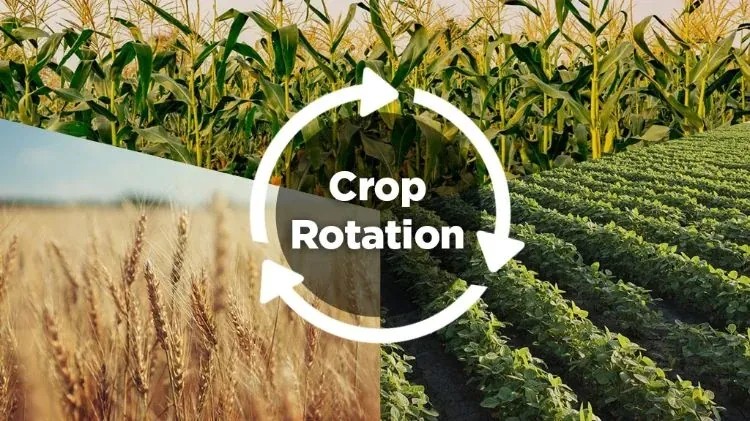
The soybean–wheat rotation uses seasonal complementarity: summer soybean and winter wheat share a year’s heat and light, keep land in use, and cut nitrogen fertilizer because soybean fixes nitrogen. Studies report wheat yield gains of 2.87%–41.21% over maize–wheat, plus more soil organic carbon and available nitrogen. In Yanzhou District, annual returns were 34% higher. Rotations also cut greenhouse gases and raise resilience across the North China Plain and Jiangsu.
To protect soybean yield, farmers widely apply chlorimuron-ethyl and other sulfonylurea herbicides. It is cheap and fast, but can persist in soil for more than six months and then block the next crop’s roots.
The molecule inhibits acetohydroxyacid synthase (AHAS/ALS), depleting valine, leucine, and isoleucine. Protein and enzyme synthesis stall; meristems stop dividing; the plant dies. Long-term use also disrupts soil microbes and enzymes, contaminates water, suppresses chlorophyll and superoxide dismutase, and can damage DNA in aquatic and amphibian species.
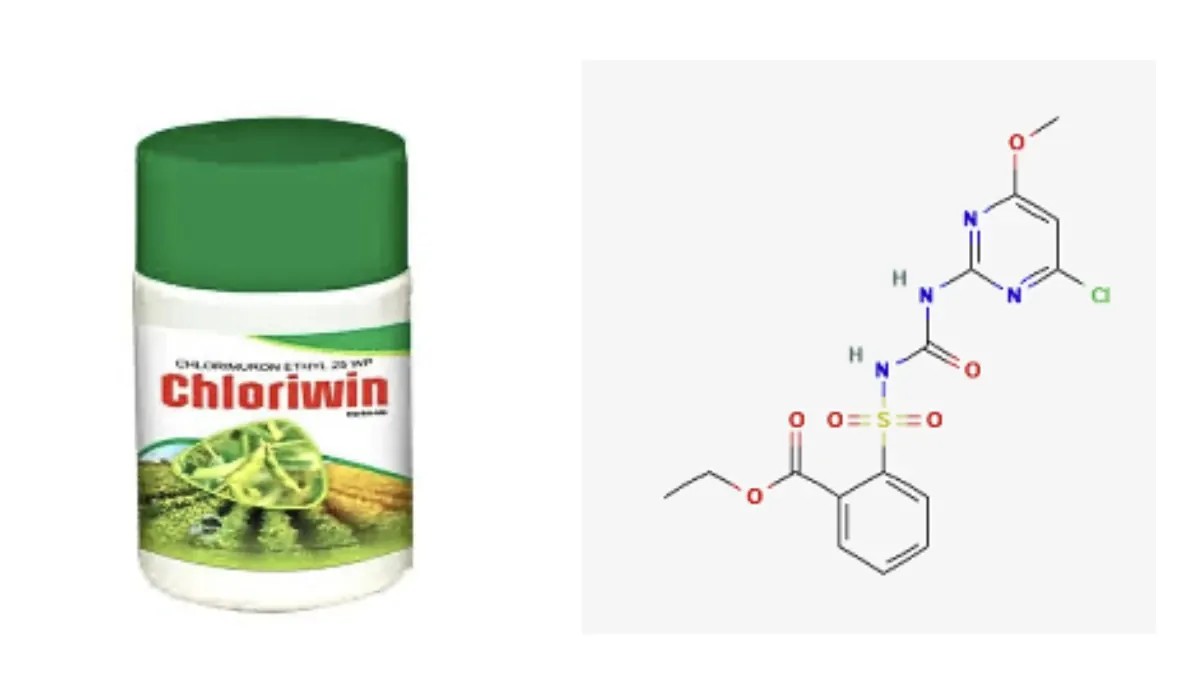
Chlorimuron-ethyl degrades slowly because of its sulfonylurea group and chlorine atom, low solubility, strong soil adsorption, weak native microbial activity, and weather. Remediation today is either natural or artificial.
Phytoremediation and native microbes are gentle and low-energy. Plants work at moderate contamination but stall when doses are high. Microbes can live on the pollutant, yet results swing with strain, temperature, humidity, and pH, and they are too slow for urgent fields.
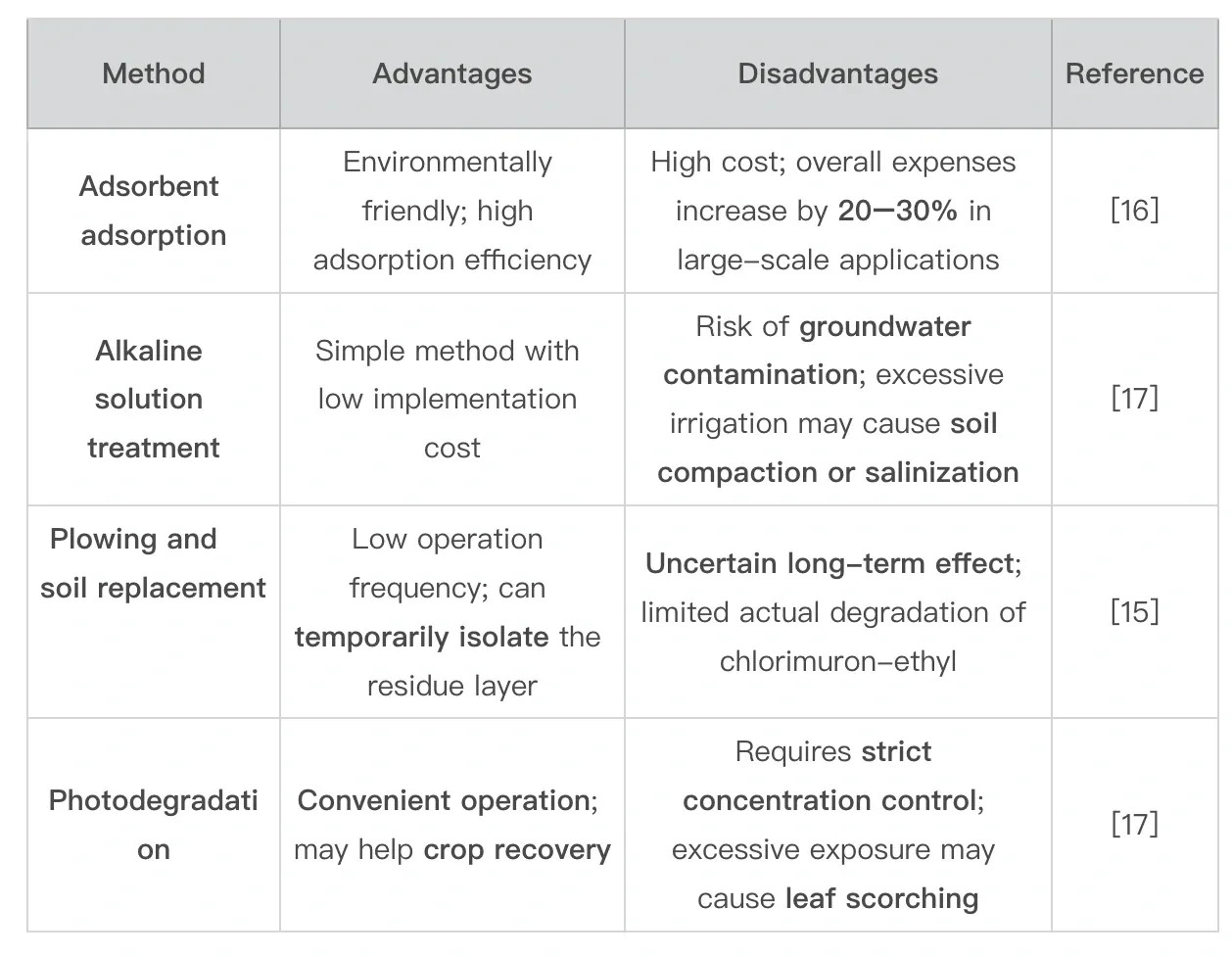
Adsorption, alkaline treatment, plowing or soil replacement, and photodegradation are available. They are often costly, inefficient, or leave side effects: groundwater risk, compaction, salinization, or leaf scorch.
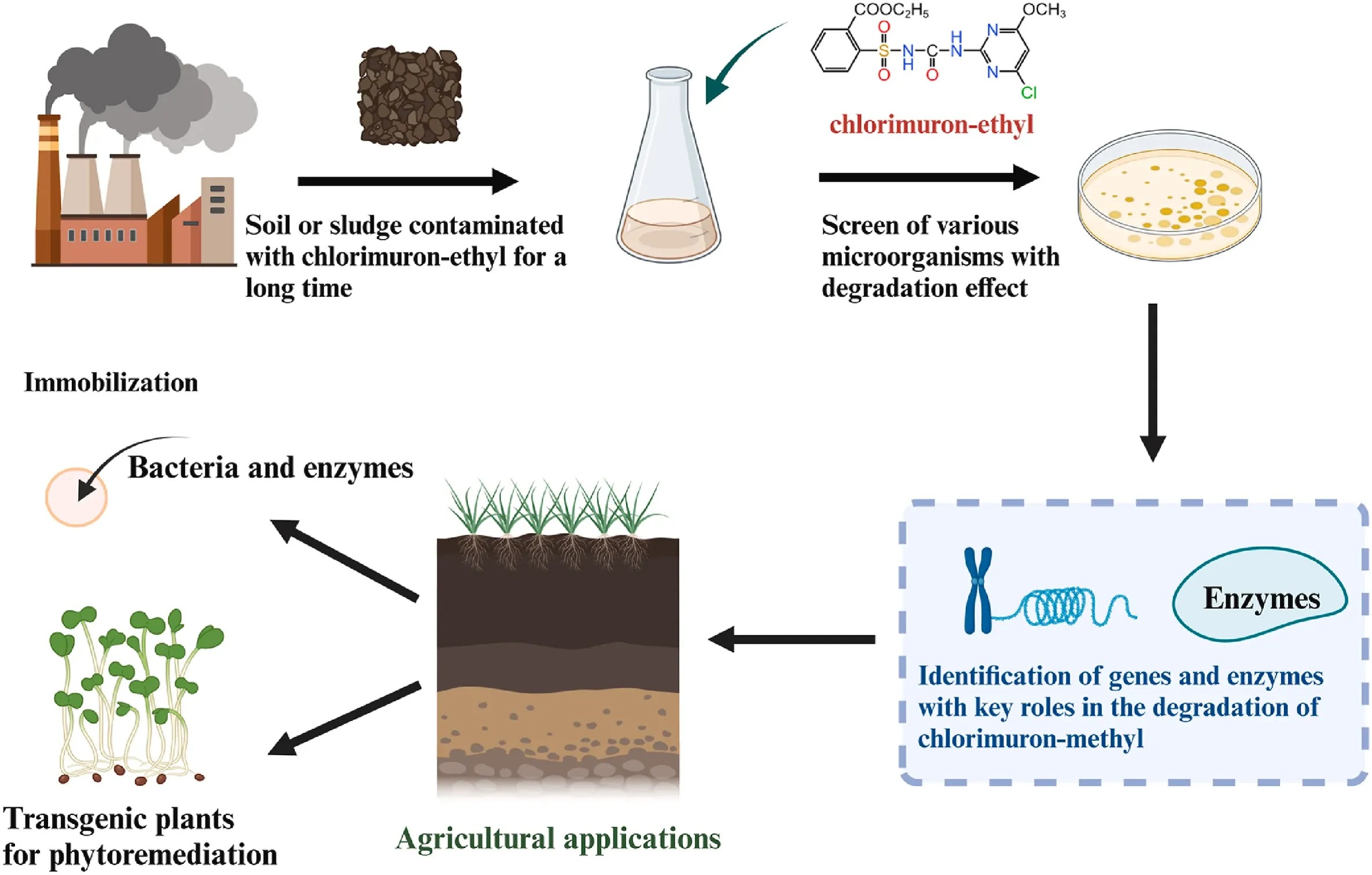
Escherichia coli is the host: easy to engineer, well-characterized, high biosafety, and already proven across iGEM. Native soil microbes are harder to control and carry more unknown risk.
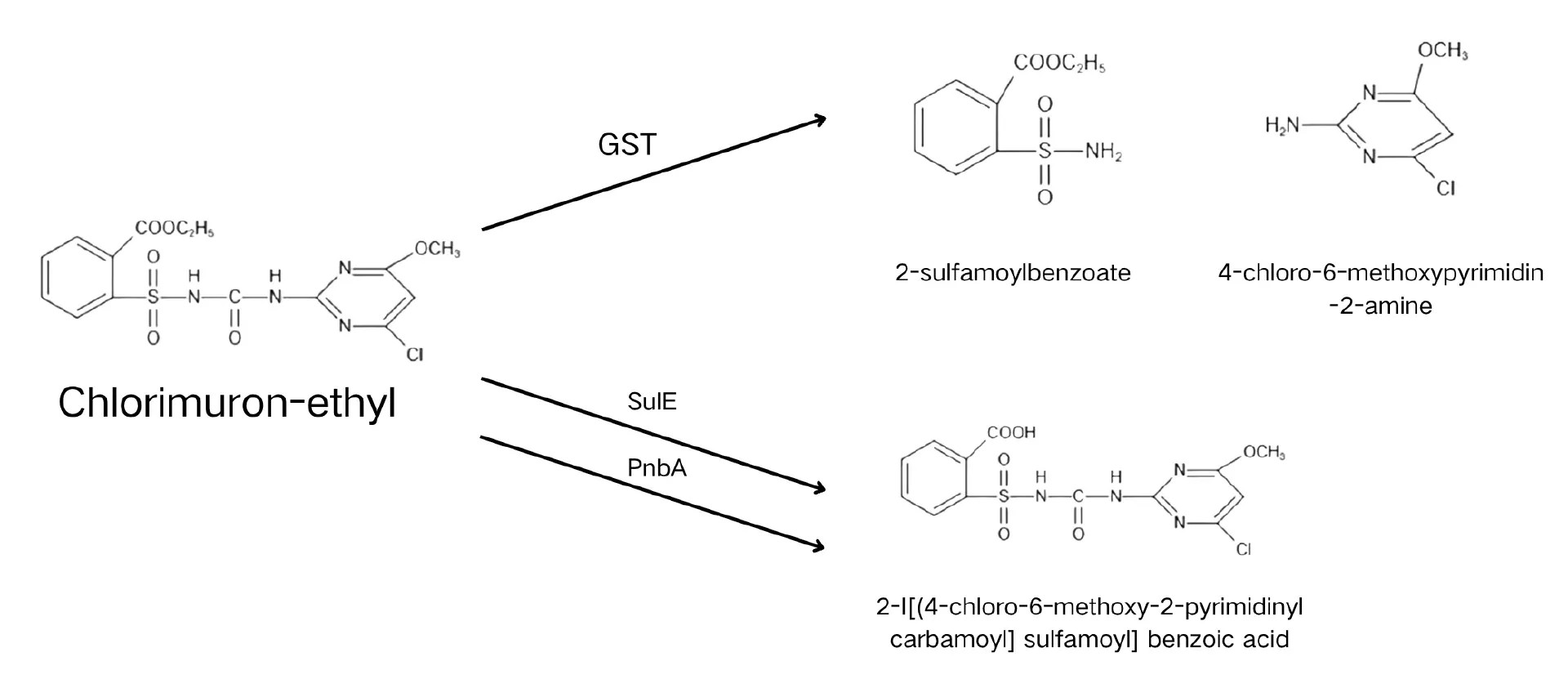
Three enzymes can break the herbicide: esterase SulE from Hansschlegelia zhihuaiae, carboxylesterase PnbA from strain CHL1, and glutathione S-transferase (GST) from Klebsiella jilinsis 2N3. SulE and PnbA hydrolyze the carboxylester; GST cleaves the sulfonylurea bridge. After expressing each in E. coli, PnbA was chosen for catalytic efficiency.
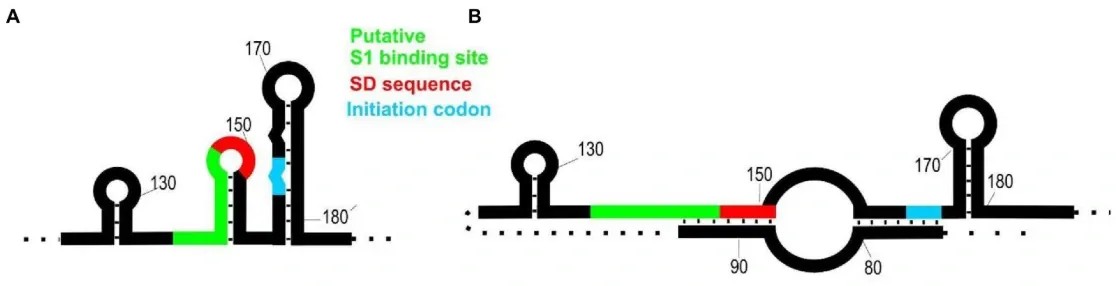
Repeated expression and purification of free enzyme is slow. PnbA is therefore anchored on the outer membrane so whole cells catalyze the reaction. Ice nucleation protein (INP) from Pseudomonas syringae is the carrier: a hydrophobic N-terminus holds it in the membrane, a central repeat domain templates ice nucleation, and the C-terminus accepts the fusion. INP is fused to the N-terminus of PnbA.
Long rotation depletes fertility. Indole-3-acetic acid is the main natural auxin: it drives cell elongation and division, lateral and adventitious roots, and organ patterning. The tryptophan–IAM pathway is two steps: IaaM converts tryptophan to IAM; IaaH hydrolyzes IAM to IAA. The strain therefore both lowers pesticide stress and feeds germination.
Soybean–wheat handover in North China falls in September–October. Days sit around 23–28 °C; nights drop to 12–19 °C. The CspA cold-shock promoter turns on below about 15 °C and drives T4 holin plus T4 lysozyme. Holin pores the membrane; lysozyme cuts the wall. Together they lyse the engineered cell once the field cools, so the strain does not linger.
The strain is grown in a bioreactor, freeze-dried, and stored at ambient temperature — no cold chain. Farmers rehydrate the powder and spray it on soil 7–10 days after soybean harvest, before wheat sowing. In the field the cells degrade leftover chlorimuron-ethyl and secrete IAA so wheat can germinate into a cleaner, more supportive soil.
Lyophilized bacterial powder. Long storage and transport at room temperature; viable until it is mixed with water.
Rehydrate and spray evenly. One pass both clears herbicide residue and feeds rooting through IAA.
7–10 days between soybean harvest and wheat sowing — long enough to degrade residue, short enough to stay in the rotation calendar.

Degrades chlorimuron-ethyl and promotes growth through IAA — remediation and yield in one product.
Surface-displayed esterase raises catalytic efficiency. A cold-triggered lysis system keeps the strain under environmental control.
Lyophilized powder stores and ships without a cold chain. Rehydrate and spray.
Built for the soybean–wheat calendar in North China, not a generic soil additive.
Cuts chemical remediation, improves soil health, and supports greener rotation agriculture.